Creating a wow moment with event technology through lighting and atmosphere
More effects don’t necessarily make an event more memorable. Creating a ‘wow’ moment with event technology means choosing the right detail and delivering it with precision. Lighting can shift the mood or draw attention to a feature, while a considered theme can make the experience feel connected.
If you’re planning an event, the ideas also need to work with the venue, programme and budget. Start with what you want guests to notice and feel, then match the technology to that purpose. This article looks at how lighting and atmosphere shape a standout moment, how immersive themes can add meaning without crowding the experience, and how production teams bring creative ideas to life while accounting for practical limits.
Table of Contents
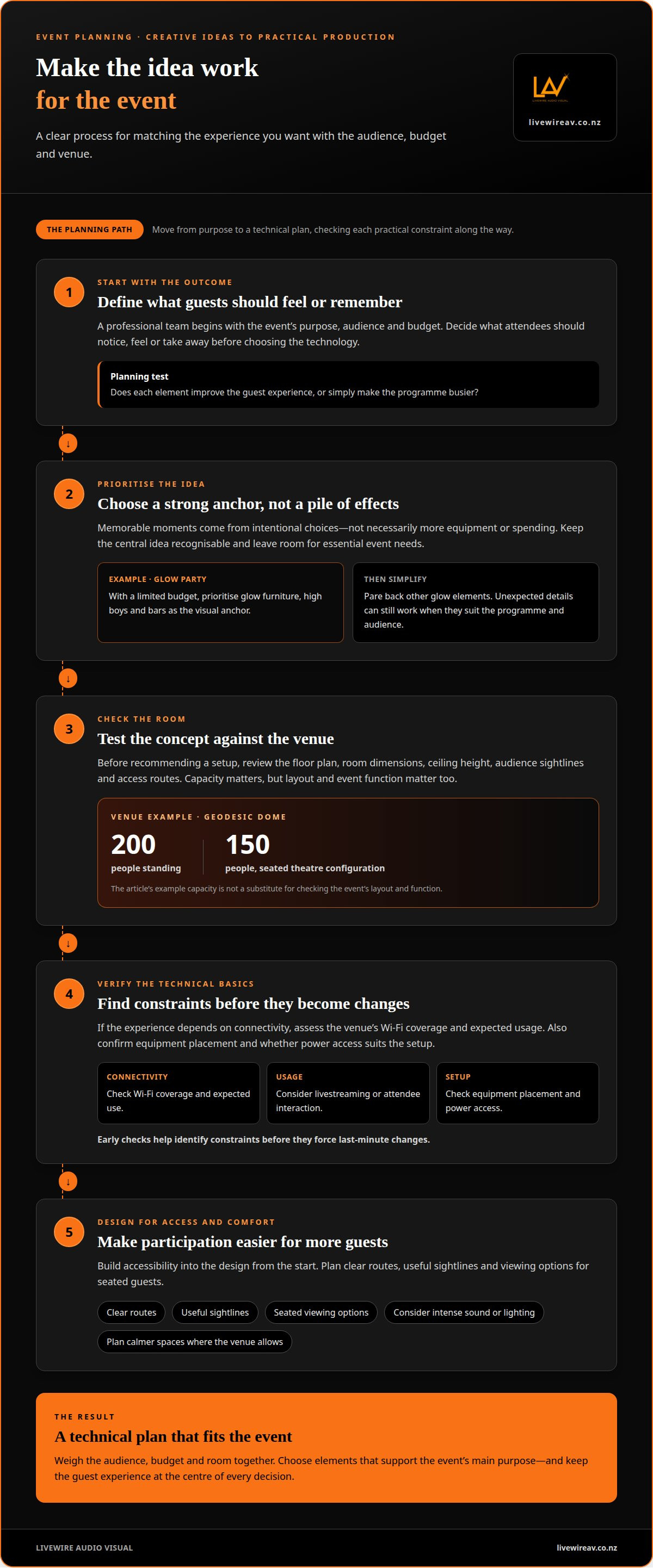
2. Balancing creative ideas with budgets and venue limits
A professional team starts with the event’s purpose, audience and budget. It considers what attendees should feel or remember, then selects technology to support that outcome. A focused entrance moment, for example, may serve guests better than several unrelated effects. The test is simple: does each element improve the experience, or just make the programme busier?
Memorable moments rely on intentional choices, not necessarily more equipment or spending. For a Glow Party with a limited budget, prioritising glow furniture, high boys and bars can give the theme a clear visual anchor. Other glow elements can be pared back, keeping the idea recognisable while leaving room for essential event needs. Unexpected details can still work when they suit the programme and audience.
Venue limits shape what is practical. The team reviews the floor plan, room dimensions, ceiling height, audience sightlines and access routes before recommending a setup. A large-scale geodesic dome, for example, can accommodate up to 200 people standing or 150 in a seated theatre configuration. Capacity alone doesn’t settle the choice: layout and event function matter too.
When technology relies on connectivity, the team assesses the venue’s Wi-Fi coverage and expected usage, such as livestreaming or attendee interaction. It also checks equipment placement and whether power access suits the setup. Addressing these details early helps identify constraints before they force last-minute changes.
Build accessibility into the design from the start. Clear routes, useful sightlines and viewing options for seated guests help more attendees take part. Consider whether intense sound or lighting could affect the experience, and plan calmer spaces where the venue allows.
The right solution fits the audience, budget and room while protecting the event’s main purpose. A professional team weighs these factors together before shaping the technical plan.
3. Lighting and atmosphere
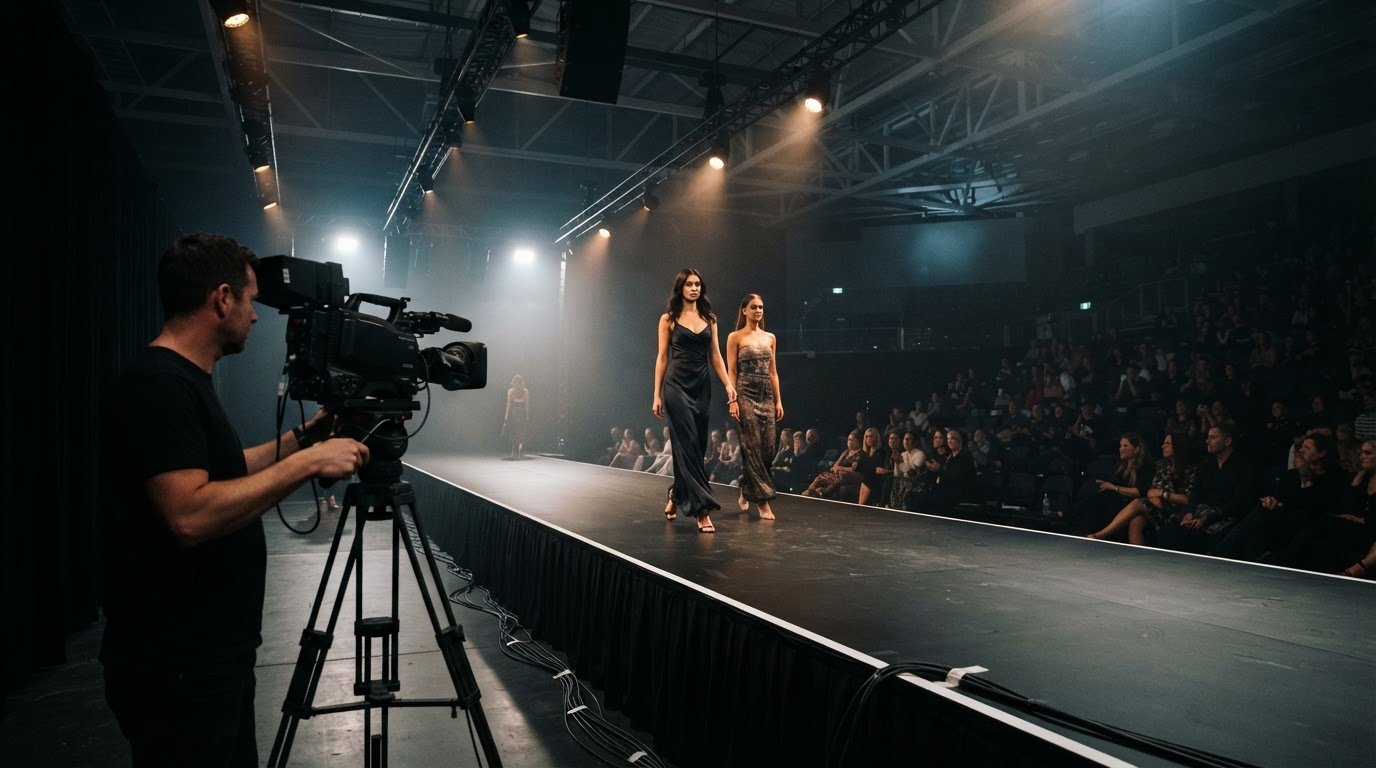
Lighting can transform a room without adding more décor. A carefully lit entrance, stage or feature wall gives guests a clear focal point while leaving the rest of the space calmer. That contrast helps a chosen detail stand out and shapes the feeling of arriving at the event.
Choose one or two focal points instead of making every corner compete for attention. At a corporate gathering, a lit stage can anchor presentations while a separate feature draws guests towards the networking area. Giving each element room to breathe makes the design easier to read and keeps the space from feeling crowded.
The effect depends on each area’s purpose. Candles can create an intimate mood at dinner, while uplighting can bring a venue’s architectural features into view. A lighting plan can balance brighter areas for conversation with softer surroundings, helping guests move naturally between activities.
Lighting can mark a transition as well as set a mood. A shift from a presentation look to a warmer reception atmosphere signals the end of one programme segment. For an interactive activity, a distinct lighting change can focus attention, then return the room to its previous setting when it finishes.
Professional lighting design considers sightlines, the venue’s existing features and the event schedule. The team puts emphasis where it supports the programme rather than adding effects without purpose. This helps the lighting feel connected to the event, whether the intended atmosphere is formal, relaxed or celebratory.
For a considered lighting plan, intelligent lighting design can align key looks with the room and programme. Clear cues, deliberate focus and well-timed transitions make the atmosphere feel cohesive, while keeping the event’s main content in view.
4. Technology-focused and sensory-immersive themes
Creating a ‘wow’ moment with event technology often starts with a theme guests can experience, not just view. Projection can bring a visual idea into a room, while an interactive display invites attendees to explore content. In New Zealand, event teams offering LED walls and projection can support large-format visuals. Projection mapping, augmented reality (AR), virtual reality (VR) and interactive displays are distinct options, suited to different event goals.
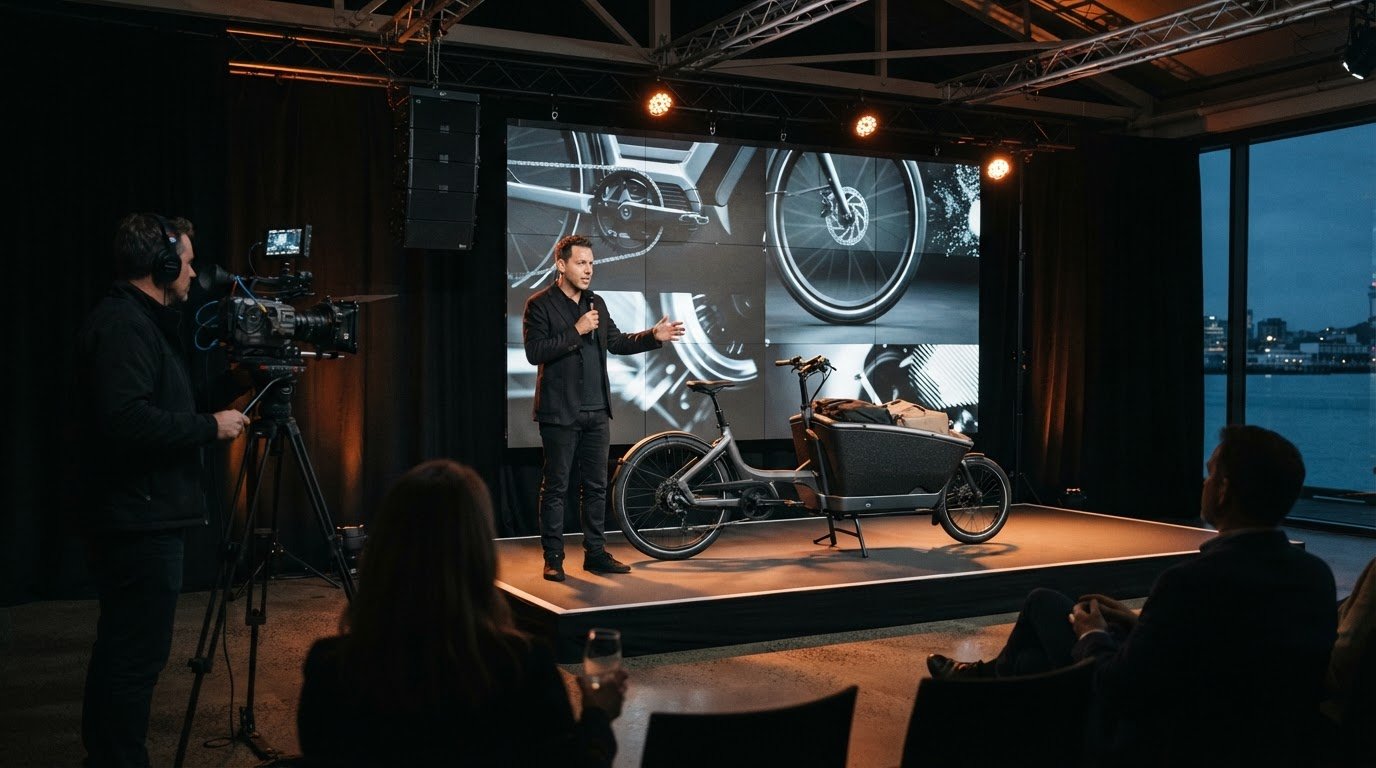
At a conference, a visual welcome could introduce the programme’s central idea. At a product launch, projected imagery might reveal a product story, supported by a relevant soundscape or tactile demonstration. Choose a few connected elements and make sure each contributes to the setting rather than competing for attention.
Sensory choices can deepen the experience. A themed food station can connect taste and smell with the event concept, while textured materials give guests something tangible to explore. A wellness event, for example, might pair calming visuals with a quiet space, offering a different pace from a high-energy product reveal.
AR and VR can make an activity more immersive, but they change how attendees relate to the room. Aalto University notes that VR and AR glasses can help attendees focus on the present by cutting them off from the outside world. A headset experience may therefore suit a dedicated activity better than a shared networking moment.
Another way to create a ‘wow’ moment with event technology is to plan how guests move between experiences. An event team can position a digital feature near an arrival point while keeping the route to the main programme clear. Practical planning makes participation easier and helps the theme feel cohesive.
82 percent of event attendees expect immersive technology standard, not a luxury, by 2026. Scent links to memorable experiences through smell and taste; touch merits consideration as COVID-19 restrictions ease.
Name-based welcomes or favourite music personalise arrival; Bluetooth session tracking and personalised notifications tailor experiences. Mobile setups transport guests to new worlds in under 10 minutes.
4. How can interactive event technology increase audience engagement?
Interactive technology gives attendees a role beyond listening or watching. At a conference, live polling lets guests respond to a speaker’s question, with the results prompting discussion. A mobile event app can combine the agenda with polling, helping participants follow the programme and contribute at relevant moments.
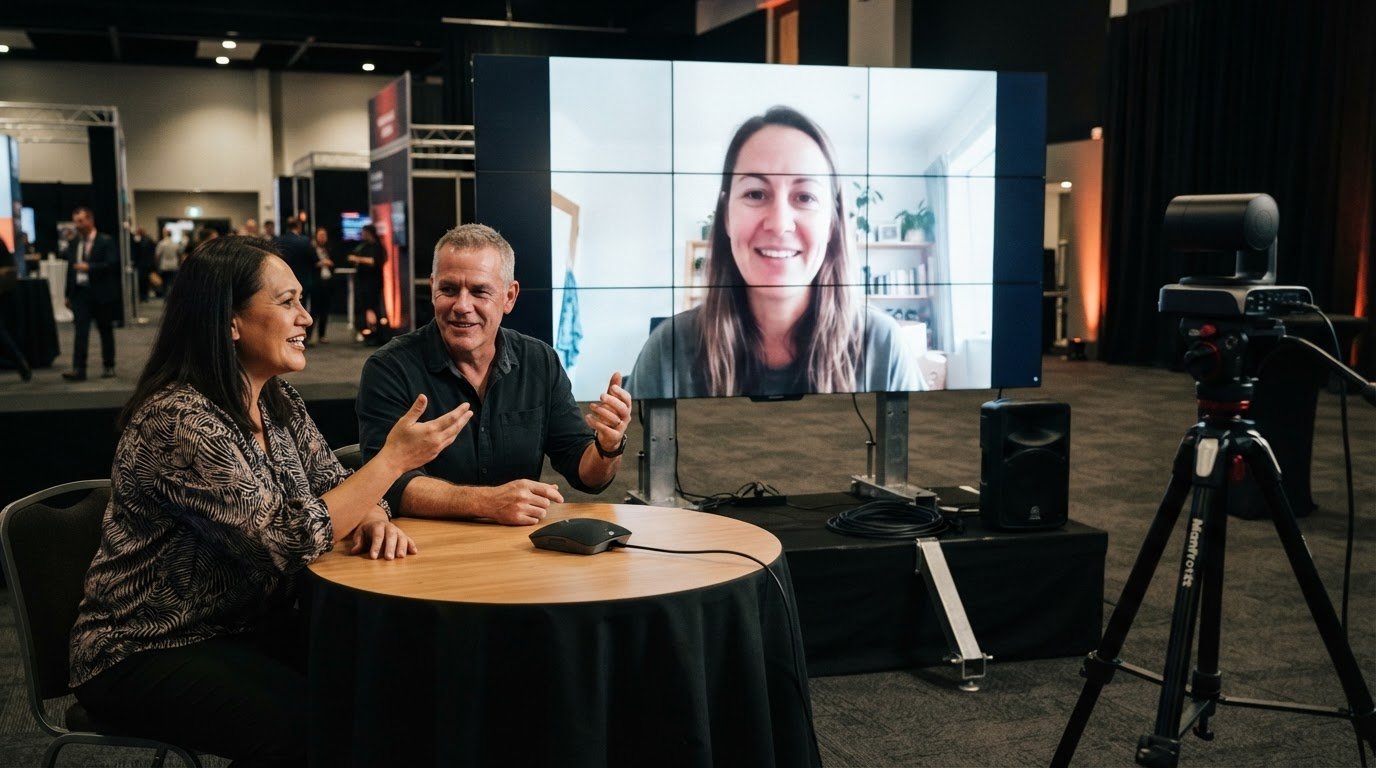
At a hybrid event, interaction can include people in the room and those joining remotely. A livestream can pair a speaker’s presentation with questions from online attendees, giving both groups a way to participate. A producer coordinates cues and screen content so contributions fit the programme rather than interrupt it.
Engagement can begin before guests arrive. Organisers can use Instagram Story polls to ask attendees what they’d like to hear about, or countdown posts to build anticipation. These prompts can also help shape event content. A poll about session topics, for example, gives organisers a clearer sense of audience interests.
During the event, peer-to-peer activities can make interaction more personal. A facilitated discussion after a keynote encourages attendees to exchange perspectives, while a digital question queue gives quieter participants another way to contribute. At an exhibition, an interactive brand activation can invite guests to explore a product or share an event moment.
Each activity needs a clear purpose and a suitable place in the schedule. A poll works best when its result is discussed; a question feature needs someone to select and relay contributions. The production plan accounts for screen visibility, timing and transitions, so participation supports the speaker rather than competing with them. That preparation matters for a reliable interactive event plan. Choose fewer activities, clearly facilitated, over a string of disconnected prompts.
Beyond polling, pop-up brand activations can use interactive spaces and experiences to encourage consumers to engage with products and share event posts. Conference planners can combine interactive elements, peer-to-peer engagement and sensory experiences, offering different ways to participate throughout the programme.
Social media features such as Instagram Story polls and Twitter countdowns can build anticipation. Virtual and augmented reality can offer interactive experiences that transport attendees to new locations. When planning, consider how these elements can make the event enjoyable and introduce something new.
LivewireAV: Hybrid & Livestream Events
LivewireAV brings the creative and technical parts of an event together through Hybrid & Livestream Events and Full Technical Production. These services suit events that need to include remote attendees, coordinate live content or carry a carefully planned visual moment across the programme.
For an on-site experience, LED Walls & Projection can support visual storytelling, while Audio Line Array Systems provide event sound. The right combination depends on the event’s purpose, venue and audience. Sharing the concept, schedule and venue details helps shape a production plan around the experience you want guests to have.
For a considered approach to your event, contact LivewireAV.
Shape the next event moment
Creating a ‘wow’ moment with event technology starts by turning your event’s purpose into a clear production brief. Decide what you want attendees to remember or discuss afterwards, then let that intention guide the creative concept, timing and technical plan. Developing these together gives the idea a practical foundation.
LivewireAV supports this process through Full Technical Production, Hybrid & Livestream Events, and LED Walls & Projection. The right production approach depends on the event format, venue and moment you want to create, so start with the experience rather than a particular piece of equipment.
As you plan, bring the event purpose, programme, venue details and audience needs into the conversation. This context helps the production team shape an approach that suits the occasion and keeps the important moments clear. From there, the concept can become a coordinated plan, with each technical choice serving a defined role.
Plan your event with LivewireAV and take the next step towards an experience your guests will remember.
Frequently Asked Questions
What event technologies create memorable wow moments for attendees?
Lighting, LED displays, projection, event audio and live video can each create a memorable moment when they serve a clear purpose. A coordinated visual reveal, for example, can mark a product announcement, while a well-produced livestream can bring remote participants into a key moment. What matters most is the technology’s timing, clarity and connection to what attendees have gathered to experience.
What are examples of immersive event technology for conferences and corporate events?
At a conference, carefully coordinated visuals and live camera coverage can support a speaker’s presentation and help people in the room follow key content. At a corporate event, an LED display can carry a brand story or product imagery through a launch. For a hybrid programme, livestreaming can extend presentations to remote attendees, while planned audience interaction gives them a way to participate.
What are the risks of using event technology at live events, and how can they be mitigated?
Connectivity problems, unsuitable power or equipment placement, poor sightlines, and intense sound or lighting can disrupt participation. VR or AR headsets can also isolate guests from shared moments. Assess the venue and Wi-Fi in advance, plan accessible routes and calmer spaces, and coordinate cues, screen content and timing so the technology supports the programme.
Comments