Multi-city roadshow AV production for corporate events
What if the same presentation felt different in every city? A roadshow is a corporate event that travels between locations. Consistent multi-city roadshow AV production means repeating the core experience while adapting the technical setup to each venue. The message, visual identity and programme can remain familiar even when room layouts, audience sizes and equipment needs change.
Moving the same equipment from stop to stop is not enough. Clear sound, good sightlines, reliable screen playback and well-timed cues all depend on planning for each venue and keeping production details aligned. Small setup differences can affect how confidently presenters deliver and how easily audiences follow the event.
This guide explains how to plan a roadshow, maintain consistent branding and event quality, and coordinate audio, lighting, screens and camera setups across New Zealand. You’ll learn what a production plan should cover, where local adjustments make sense, and how an experienced technical production partner can help keep each stop composed and consistent.
Table of Contents
How Do AV Professionals Plan a Successful Roadshow Event?
AV planning starts with the event’s purpose, audience and schedule. For multi-city roadshow AV production, venue reviews and logistics help shape a repeatable setup that still suits each location.
Professional Venue Reviews and Flexible Stage Designs
Before a session, the production team reviews floor plans, room capacity, sightlines, acoustics, power, internet and loading access. Venue conditions vary across New Zealand, including between cities and regional locations. Reviewing each site identifies the changes needed for that room.
Flexible staging and screen layouts help preserve the event’s visual identity across venues. For example, a compact stage plan can be adapted to a narrow room without blocking audience views. The team checks setup and breakdown windows against the schedule, then documents the final layout and show cues.
Adapting Production to Local Venue Requirements
Local adaptation accounts for room layout, audience size, available equipment and on-site personnel. Production teams can coordinate local suppliers while keeping the core technical plan and session format consistent. This matters when an investor presentation or series of meetings needs the same pacing across locations.
Venue and in-house AV requirements vary from site to site. In New Zealand, power, rigging, access and health and safety requirements all shape the setup. Before load-in, the production team aligns its plan with site rules and controls, including any coordination needed with in-house staff.
Managing Equipment Transport and Venue Logistics
Transport planning connects equipment movement with venue access, build times, storage and breakdown windows. Travel time alone is not enough: delays or restricted loading access can affect the next stop. A production schedule accounts for these risks and builds practical buffers between venues.
Common risks include transport delays, limited access, equipment failure and venue layout changes. Teams can reduce disruption by preparing backup equipment, securing show files and reviewing each location’s requirements before dispatch. Clear handovers help keep the next session on schedule.
Comparing Multi-City AV Production Companies and Quotes
Compare quotes by checking whether they cover the same production scope, equipment, crew, transport, venue reviews and contingency planning. Ask how each proposal handles local suppliers, in-house AV coordination, rehearsals and changes between locations. These details reveal what sits behind the quoted total.
Also compare the proposed stage and screen plans, technical schedule and process for documenting changes. A clear proposal links each cost to a deliverable and explains how quality will be maintained across the route. This makes different production approaches easier to assess.
Maintaining a consistent event format and branding with professional production
A repeatable event format gives audiences in each location a recognisable experience. Production notes keep branding, timing and technical cues aligned at every stop.
Modular Staging and Reusable Design
Modular staging lets the same visual concept fit different room shapes without rebuilding the event from scratch. A production blueprint can record the stage layout, screen configuration, lighting, microphones and show cues. These details help executives experience a familiar programme, while local adjustments accommodate launches, audience size or venue dimensions.
Reusable scenic elements and portable demonstration zones also make the format easier to reproduce. The production team can document the approved look, then adapt component placement while preserving brand colours, screen content and presenter sightlines. Consistent templates reduce avoidable variation between event partners and locations.
Hybrid Production Across Event Legs
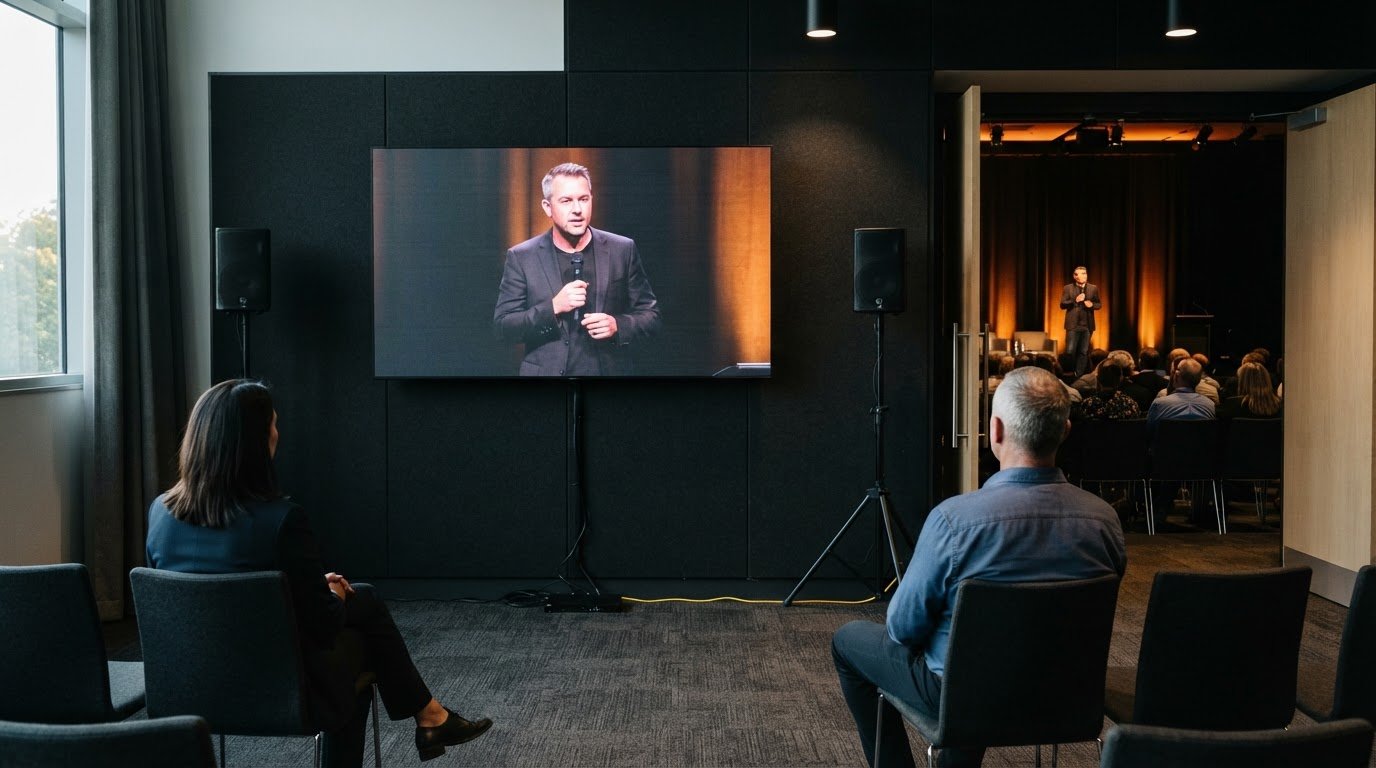
For hybrid roadshows, each stop needs a planned approach to presenter audio, camera coverage, screen content and stream management. A repeatable signal flow helps remote participants follow the same core programme as the in-room audience. The team can also prepare an overflow-room feed when attendance exceeds the main room’s capacity.
Recording adds another use for the production plan. The team aligns camera framing and presentation playback so the recording captures the event clearly, not just the room. A hybrid event production plan can coordinate these technical elements across each leg.
Improvement happens between stops. After each city stop, a 15-minute team debrief can capture stakeholder feedback on technical performance, venue suitability, timing and audience engagement. The production team then identifies targeted changes for the next session, such as adjusting screen placement or refining a cue. This preserves the format while addressing practical issues before they recur.
How Do AV Production Teams Keep Quality Consistent Across Cities?
Reliable multi-city roadshow AV production applies consistent technical standards while adapting to each venue. A shared plan keeps the message and brand experience aligned across locations.
Consistent AV Systems and Standards
A production specification records the required sound, lighting, screens, playback and camera arrangements for each stop. The team compares the planned setup with each venue’s technical conditions, then documents approved changes. For a hybrid session, the specification also covers the audience feed and streaming workflow, helping keep the production coherent for people in the room and online.
Standardised checks matter. Before doors open, technicians test microphones, screen content, playback and show cues against the same run sheet. This gives each location a clear technical baseline without assuming every room needs identical equipment.
Staging, Branding and Run of Show
A shared run of show sets the sequence, timings, speaker handovers, media playback and cues. Production teams use the same master version across the route, then record approved local changes. Presenters and crew can follow a familiar structure even when travel or venue layouts change the order of setup tasks.
Approved slide templates, screen layouts, lighting states and stage plans help keep branding consistent. For example, a regional launch can retain the same opening sequence and visual identity while adjusting stage placement to suit the room.
Consistent Content Across Cities
A central content workflow gives the team one current show deck for each session. Standard file names and controlled updates help prevent an outdated presentation appearing at a later stop. The production team aligns playback, screen routing and presenter cues with the approved version.
Local content can still support the central message. A regional example or speaker introduction can be added through a defined review process, while core brand assets and programme order remain consistent. This balance makes each event relevant without changing the experience executives expect.
Selecting a Multi-City AV Company
In New Zealand, choose an AV production company that can coordinate technical delivery across the route. Assess its production specification, documentation, venue adaptation process and approach to aligning local crew with the master run of show. These details show how it plans to maintain standards between locations.
Ask how the production plan accounts for travel delays, equipment changes and hybrid feeds. A suitable partner should explain how it records issues after each stop and applies agreed improvements at the next location. This process supports consistent delivery without treating every venue as identical.
How AV Production Teams Replicate Audio, Lighting, Screen and Camera Setups
A repeatable technical plan helps presenters deliver a familiar conference experience across changing venues. The production partner adapts each system to the room while keeping the show’s central design intact.
Replicating Audio Setups Across Cities
Audio planning starts with room dimensions, audience positions, acoustics and presenters’ microphone needs. The team specifies sound coverage and microphone types, then adjusts speaker placement for each venue. An audio line array system may suit a larger conference room, while a smaller space calls for a different approach. The goal is intelligible speech throughout the audience area.
Before doors open, technicians test each microphone and playback source, then check levels from different audience positions. They also confirm that presenter audio reaches the internal recording or hybrid feed when required. A documented audio check gives the next location a clear reference without assuming its room behaves the same way.
Replicating Screen Setups Across Cities
Screen planning considers room shape, sightlines, presentation content and camera framing. The production team maps the screen configuration and signal routing, then adapts placement to each venue’s floor plan. LED walls or projection can carry the same branded content, with the format chosen to suit the room.
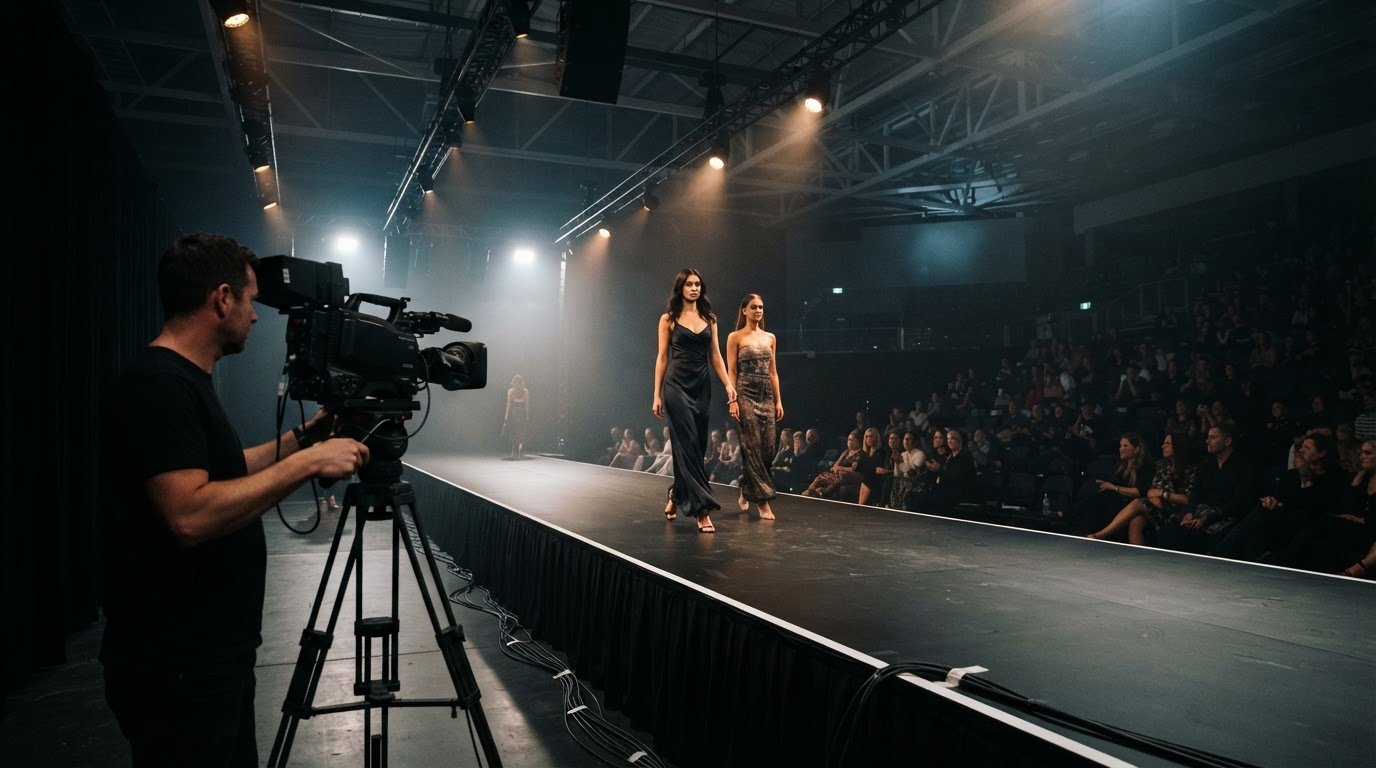
Camera positions need to work with screens, presenters and audience sightlines. A conference setup might use a central camera view of the speaker and a separate presentation feed, allowing vision switching to follow the running order. Technicians load and test presentations and videos before each session, checking that graphics remain legible from the back of the room.
Lighting completes the repeatable picture. The team documents lighting cues for speaker visibility and audience comfort, then adjusts focus for each stage. A roadshow AV production plan can bring audio, lighting, screens and camera requirements into one coordinated specification. Clear documentation, venue adjustments and pre-show testing help each city feel like part of the same event.
LivewireAV: Full Technical Production
LivewireAV provides Full Technical Production for corporate roadshows that need coordinated AV delivery across multiple venues. It’s a practical next step when you need one production plan to connect sound, visuals and show execution while allowing for each venue’s layout.
For presentations that also need remote participation, Hybrid & Livestream Events can bring the in-room and online experience into the production plan. LED Walls & Projection support event visuals, while Audio Line Array Systems provide sound for suitable spaces. The right setup depends on your programme, venues and technical requirements.
Share your event schedule, locations and production priorities to start planning. Contact LivewireAV to discuss your roadshow.
Set the direction for your roadshow
Start by turning the event’s purpose into a clear production brief. Identify what every audience should experience, which elements must stay consistent, and where each location can bring local relevance. This gives the production team a practical foundation for planning the route and shaping the technical approach around your programme.
For multi-city roadshow AV production, early alignment between your internal team, presenters and production partner helps keep decisions connected. Share the event schedule, intended audience, content needs and any hybrid requirements so planning can move forward with a shared understanding of what matters most.
When you’re ready to discuss the production approach for your corporate roadshow, contact LivewireAV about your roadshow. A clear starting brief can help turn a complex schedule into a considered plan for every stop.
Frequently Asked Questions
What Is a Roadshow?
A roadshow is a programme of related events presented in multiple locations, usually to reach audiences where they work or live. A corporate roadshow might bring the same product launch or investor presentation to several centres, with a shared purpose and locally relevant details. Depending on its audience and objectives, the event can be delivered in person, online or as a hybrid experience.
Do you manage all the logistics?
LivewireAV manages technical production for events, including audio, vision and lighting. For a roadshow, that means coordinating the AV plan with event timings and venue needs. Wider arrangements, such as attendee travel, accommodation and registration, are separate event-planning tasks. Clear ownership of each task helps prevent gaps between the technical schedule and the wider roadshow programme.
What Audio-Visual Technology Does a Roadshow Need?
The right technology depends on the programme and how the audience will participate. A presenter-led session may need microphones, speakers, presentation screens and lighting. A product demonstration could add camera coverage and vision switching, while remote participation calls for hybrid and livestream technology. For detailed visuals, LED walls or projection may suit the content and room better than standard screens.
What does multi-city roadshow AV production include?
Multi-city roadshow AV production brings the technical elements of a travelling event into one coordinated plan. It can cover production design, sound, lighting, screens, cameras, playback and technical operation, with adjustments for each venue. For example, a presenter’s demonstration can retain the same sequence while screen routing changes to suit a different room. The scope depends on the event format and audience requirements.
What AV equipment is needed for a corporate roadshow?
Equipment is selected to suit the speakers, content and event format. A typical technical plan may include a sound system, digital mixing console, wireless microphones, presentation screens, playback equipment and stage lighting. A session with recorded or streamed content may also need cameras and vision switching. The production team specifies the combination after considering the room, sightlines and how presenters will use the stage.
How do AV production teams manage logistics and equipment transport between New Zealand cities?
Teams coordinate equipment movements with venue access, loading arrangements, setup and breakdown windows, and the next event’s schedule. The transport plan should allow for realistic travel time and possible delays rather than relying on a tight handover. Show files and backup playback options can help protect continuity if a technical issue affects equipment at one stop.
Comments